The Maldives has two seasons, two oceans, and twelve very different months. The trick isn't picking the best one — it's picking the one that matches what you came to see.
December – April: Iruvai (Northeast Monsoon)
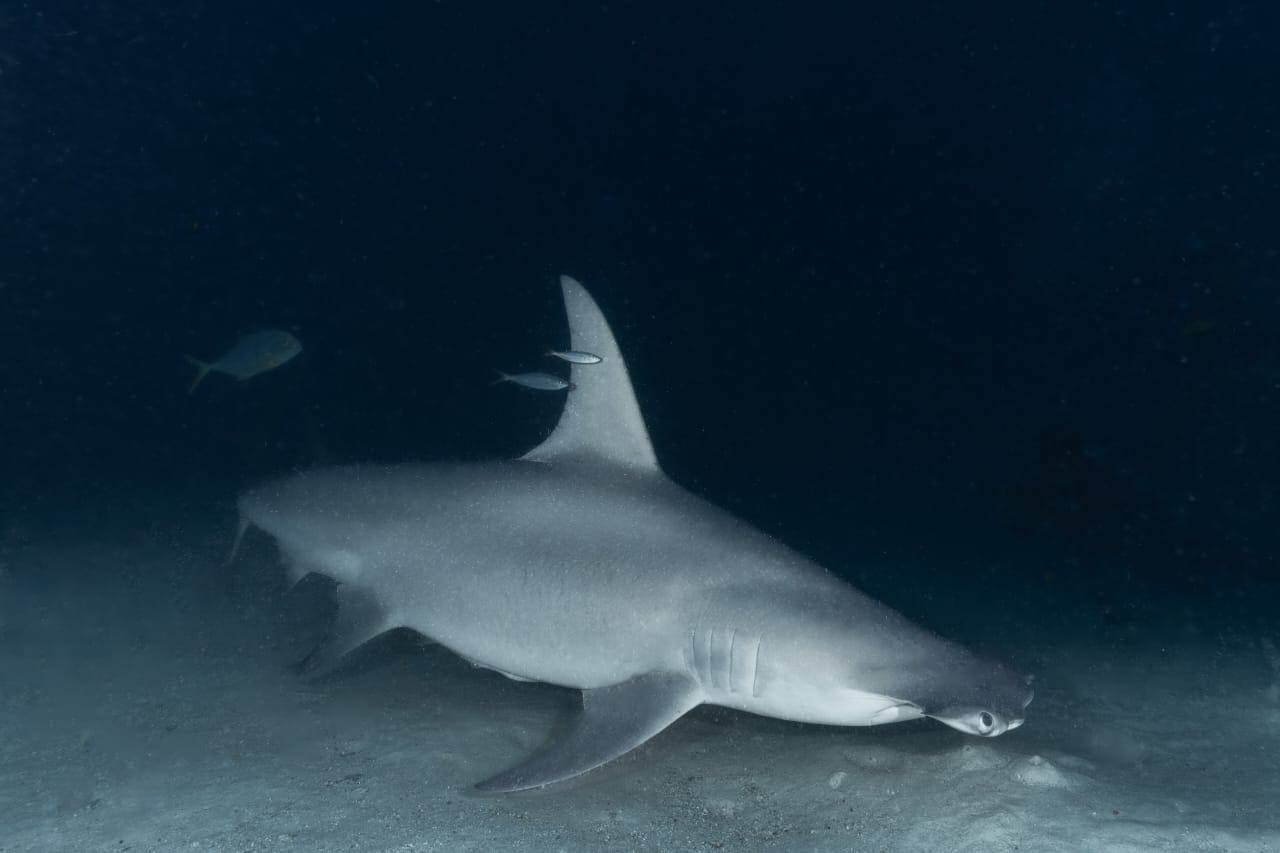
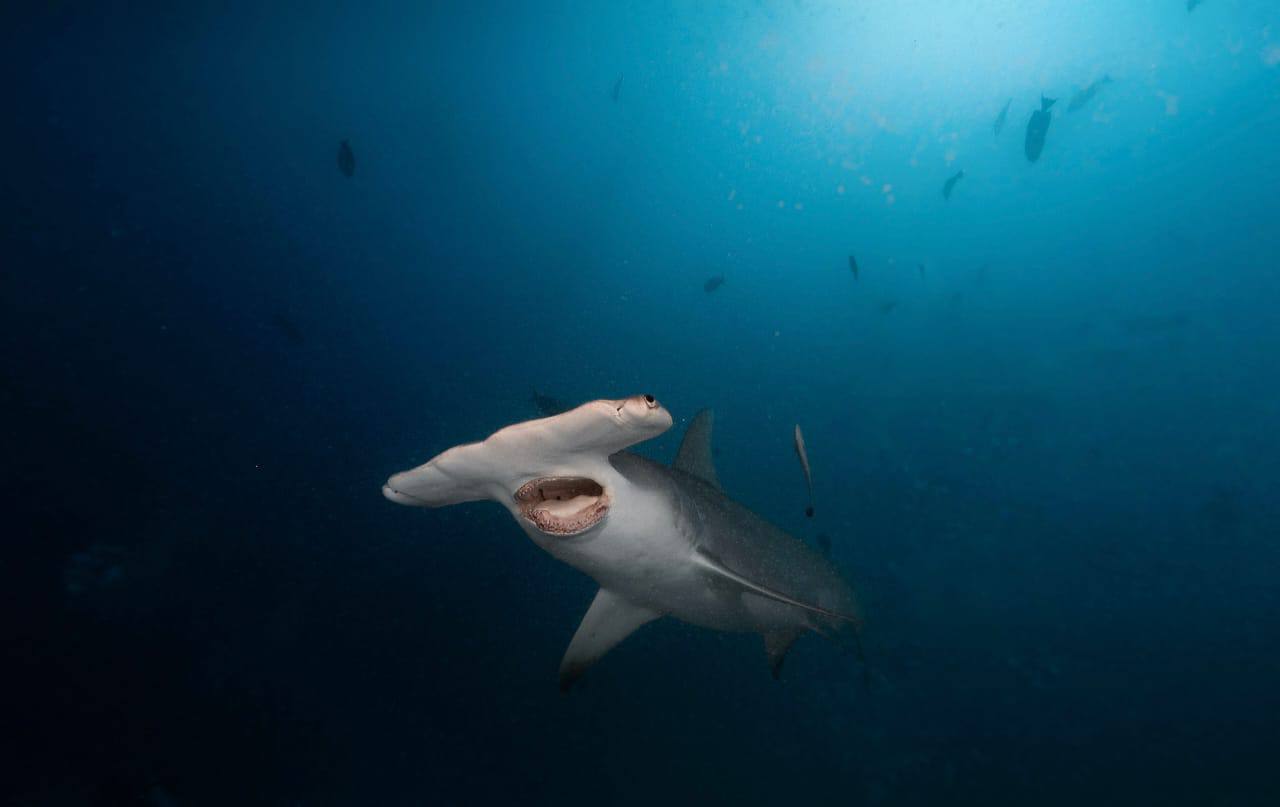
The dry season. Visibility is glass — 30 metres, sometimes more. Currents flow east-to-west, so the action is on the eastern side of the atolls. This is when the manta cleaning stations on the west disappear and the eastern channels light up with hammerheads, grey reefs, and big pelagics.
May – November: Hulhangu (Southwest Monsoon)
The wet season. Surface conditions are choppier, visibility drops to 15–20 metres on the worst days, and currents reverse — the western side becomes the show. Plankton blooms, and with them: whale sharks and manta aggregations. Hanifaru Bay (Baa Atoll) is at its absolute peak from August to November.
The shoulder months
April and November are the sweet spots — old monsoon dying, new monsoon not yet established. Fewer divers, decent visibility, and the marine life is in transition. We do our best private trips in these windows.
What we'd actually book
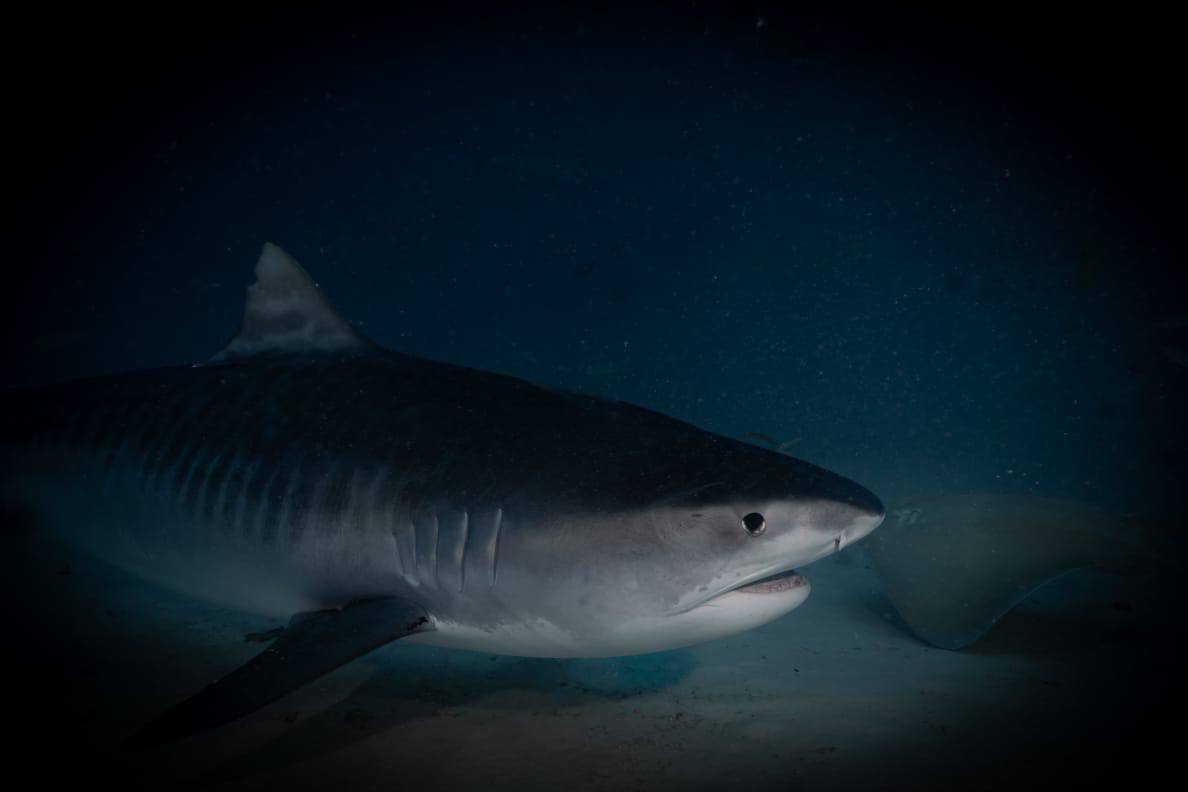
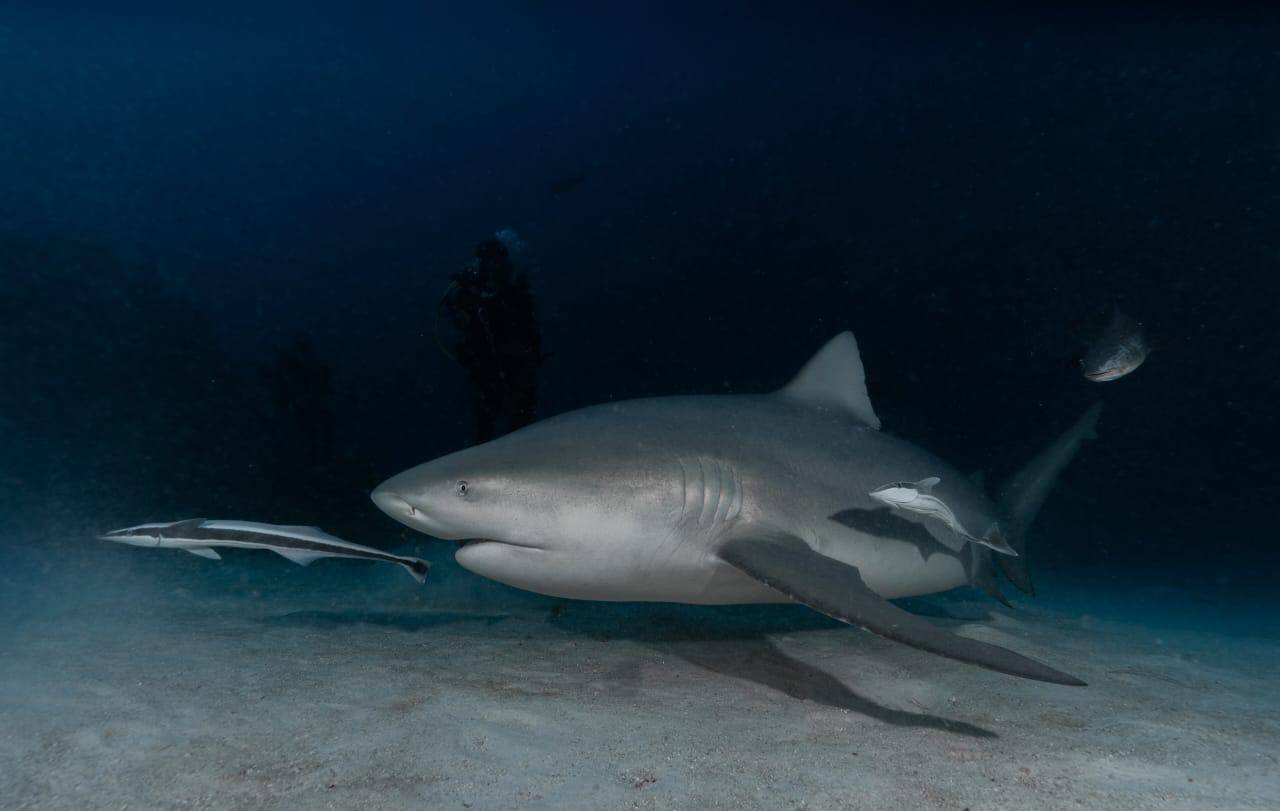
- For sharks: January – March
- For mantas: August – October
- For whale sharks: South Ari, year-round; Baa Atoll, August – November
- For empty boats: May, early June, late November